
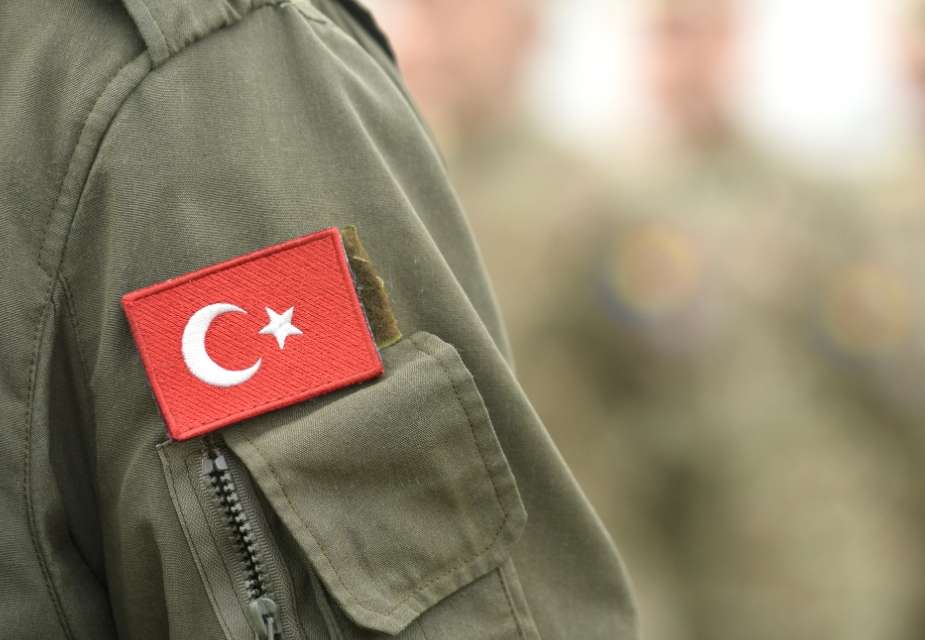
Shoulder epaulettes have a history that reaches back several centuries, evolving from simple decorative ribbons to modern symbols of rank, style, and identity. Their journey from military innovation to fashion accessory is as colourful as the designs themselves. In this discussion, we illuminate the origins, transformations, and contemporary interpretations of epaulettes while addressing both their traditional functions and modern adaptations.
A Brief History of Epaulettes
The Origins and Early Use
Epaulettes first appeared in the late 17th century as decorative shoulder ribbons designed to prevent shoulder belts from slipping. This practical innovation quickly took on additional roles. Early adopters of these devices recognised not only their functionality but also their potential as dashing embellishments.
Before long, epaulettes were integrated into military uniforms. They evolved into a tool to indicate rank and distinction, setting apart commanders from ordinary soldiers. This early adoption laid the groundwork for subsequent designs that leaned heavily on visual hierarchy.
The Evolution Through Military Traditions
As military tactics and uniform standards evolved, the design and functional relevance of shoulder epaulettes advanced in parallel. What began as purely ornamental features transitioned into formal insignia, serving as clear visual indicators of rank, department, and operational responsibility. Senior officers and authority figures leveraged shoulder epaulettes as a visible assertion of leadership within a structured hierarchical framework, reinforcing command presence and institutional order.
Practicality never fell by the wayside; even as their design grew more elaborate, the protective and functional roots remained. In many armies, the designs were adapted to ensure durability and ease of movement in the field. These factors made epaulettes a vital component of military attire.
The Trench Coat Connection
The late 19th century introduced the trench coat, a garment born of necessity to protect soldiers from severe weather during wartime. Epaulettes became embedded in the trench coat’s design, serving both functional and decorative purposes. This collaboration between uniform and outerwear symbolised a fusion of style and duty.
The trench coat, with its distinctive epaulettes, went on to become an icon in fashion circles. It bridged the gap between military utilitarianism and civilian elegance, ensuring that epaulettes would have a lasting legacy far beyond the battlefield.
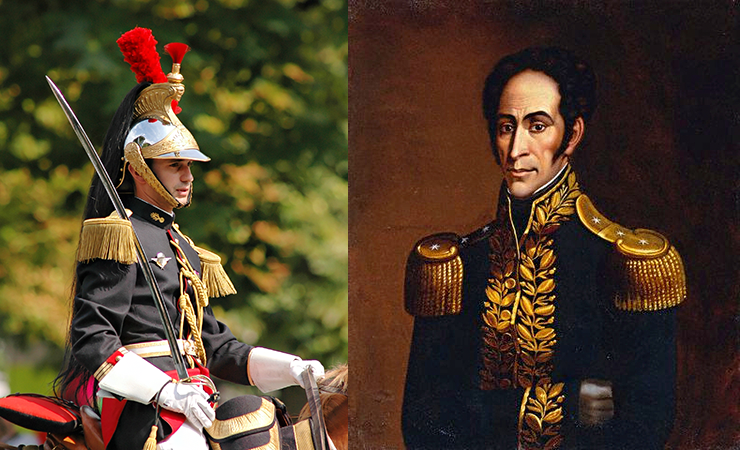
The Functional Role of Epaulettes
Indicating Rank and Hierarchy
The primary function of epaulettes in military uniforms has always been to denote rank and official status. Officers and those in leadership positions sported more intricate and eye-catching epaulettes as a method of instant visual recognition. This subtle but effective system ensured that one’s role was recognised at a glance.
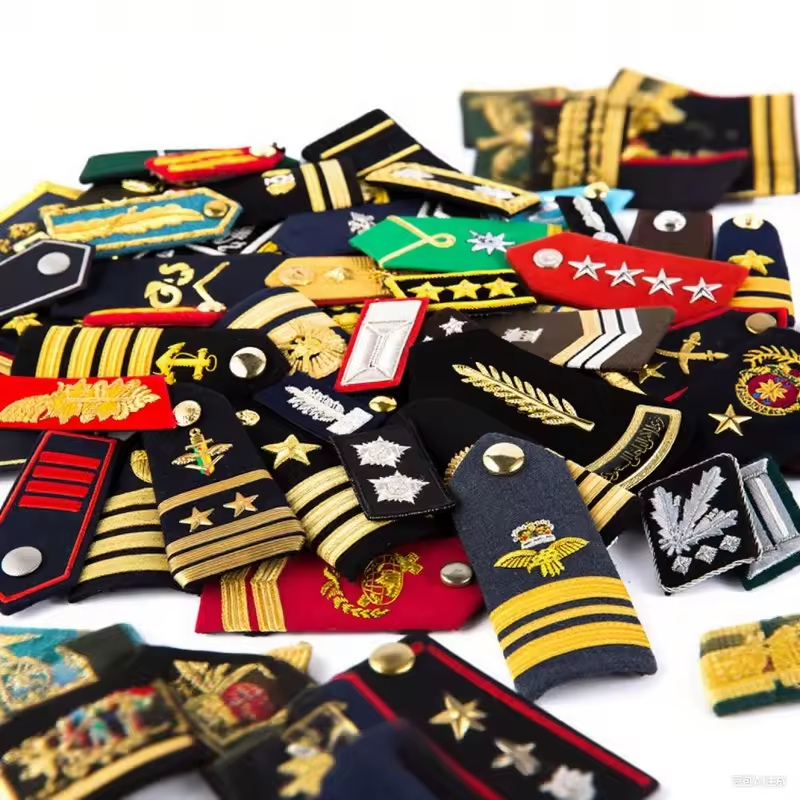
The design of an epaulette could vary widely between military organisations. Some featured intricate fringes and metallic highlights, while others were plain with minimal decoration. The differences highlighted not only rank but were also indicative of the wearer’s unit or speciality. This visual lexicon remains a vital aspect of military protocol.
Functional Considerations in Design
While today’s designs may lean towards aesthetics, early versions were purely functional. The original epaulettes were intended to prevent shoulder belts from slipping, ensuring that soldiers’ gear stayed in place during movement. The careful balance between form and function is a defining characteristic of these shoulder adornments.
In modern military contexts, traditional fringed epaulettes are often replaced with more pragmatic shoulder boards. This evolution underscores the continuous effort to merge practicality with respectful nods to history. The current designs are easier to maintain and more suited to the demands of modern warfare.
Design Innovation and Materials
The materials and construction techniques behind epaulettes have undergone significant changes over the centuries. Early designs featured delicate materials like silk and fine lace, while contemporary versions utilise more durable elements including robust fabrics and synthetic embellishments.
Modern military manufacturers and fashion designers now use a combination of practicality and style in their constructions. The selection of materials is guided by both tradition and the need for long-lasting durability, ensuring that epaulettes can stand up to the rigours of daily wear while still offering a vintage appeal.
Cultural and Social Significance
Symbolism of Authority and Honour
Epaulettes are more than ornamental attachments; they carry the weight of historical authority and respect. For centuries, wearing epaulettes connoted not just military efficiency but also a social status imbued with prestige and responsibility. This symbolism has transcended its original context and continues to be recognised in various sectors today.
In many societies, the epaulette is a visible sign of authority and organisational hierarchy. It remains an instantly recognisable marker of leadership, whether in the military, academic institutions, or even certain corporate environments where it might appear as a design motif on uniforms.
Transition from Military to Fashion
Over time, epaulettes have journeyed from strictly military settings into the realm of fashion. Designers have embraced these shoulder adornments, incorporating them into modern attire to evoke a sense of authority and history while remaining stylish. The move into fashion has seen epaulettes take on a new life as edgy embellishments for both casual and formal wear.
This twist on a wartime symbol highlights the versatility of epaulettes. They serve to create a dramatic visual statement and have the power to completely transform a garment’s character. The mix of utilitarian roots and contemporary luxury is a trend that appeals to both nostalgia enthusiasts and modern trendsetters alike.
Epaulettes in Pop Culture and Media
In pop culture, epaulettes often evoke images of classic films, heroic characters, and sophisticated style. They are a common motif in period dramas and remain a go-to design element for costume departments aiming to evoke historical authenticity while maintaining visual flair.
Television and cinema have played a significant role in perpetuating the allure of epaulettes. Contemporary audiences recall their prominence in iconic films, further cementing their status as symbols of power, authority, and timeless elegance. This representation has contributed to the enduring fascination with epaulettes in various creative domains.
Modern Wear and Design Trends
Innovative Fashion Approaches
Modern designers have reinterpreted epaulettes in myriad ways. Today, they are not merely inherited artifacts but striking design elements. Celebrated in high fashion and streetwear alike, the functional past meets the aesthetic present. Designers are keen to merge traditional inspiration with contemporary sensibilities, crafting garments that demand attention.
Young fashion enthusiasts appreciate the blend of vintage military style with modern designs. Epaulettes grace everything from tailored jackets to casual denim pieces, each adaptation speaking to its original utilitarian purpose while achieving modern elegance. This creative reinterpretation is a testament to their lasting appeal.
Adapting Epaulettes for Contemporary Uniforms
Even in the strictly regulated world of uniforms, epaulettes continue to feature prominently. Modern militaries and emergency services around the globe have adapted these shoulder details to suit current operational needs. The shift from traditional fringed designs to simpler shoulder boards ensures that epaulettes are practical and easily maintained.
Uniform updates are reflective of ongoing technological advances in textile manufacturing and material science. The reliable functionality of epaulettes ensures they remain integral to a uniform’s design, blending historic significance with modern exigencies.
Fashion Statements with Military Heritage
One of the most attractive aspects of modern epaulette usage is the homage they pay to military heritage. For many, wearing designs embellished with epaulettes is a way to connect with a sense of discipline and resilience. They evoke a certain ruggedness that has been repurposed into modern style.
The cross-over into casual fashion has allowed enthusiasts to express both individuality and a nod to tradition. Outfits that combine military-inspired elements with contemporary chic not only look impressive but also carry a story embedded in each carefully designed detail.
Practical Implications and Health Considerations
Ergonomic Factors in Uniform Design
The practical history of epaulettes began with addressing a straightforward issue: keeping shoulder belts in place. That purpose has evolved considerably. Today, uniform design must also consider a wearer’s comfort to mitigate physical stress over long periods of use.
Research has highlighted that shoulder pain is a common complaint, with prevalence rates varying significantly. This reality forces designers to balance aesthetic appeal with ergonomic factors. As such, even the most decorative aspects of an epaulette now incorporate design elements that do not compromise on comfort.
Modern Developments in Material Technology
Advances in the world of materials have significantly influenced the design of epaulettes. There is now a myriad of lightweight and flexible options that reduce strain, even for extended periods. This focus on comfort is a direct response to the health challenges that come with prolonged uniform wear.
Innovative textiles and ergonomic research are at the forefront of these developments. Modern military and fashion designers utilise these advancements to create epaulettes that are as kind to the body as they are pleasing to the eye. The blend of style and comfort is smoother than ever before, ensuring that function is not sacrificed on the altar of fashion.
Impact on Shoulder Health
Though epaulettes are primarily decorative, their design can have real implications on shoulder health. Heavy or bulky designs can restrict movement or exacerbate existing shoulder issues, especially in occupations where uniforms are worn continuously over long shifts.
Modern design practices focus on reducing unnecessary weight and harnessing materials that offer flexibility. This ensures that wearers are less likely to suffer discomfort or long-term musculoskeletal issues, aligning health considerations with aesthetic ambitions.
The Global Influence of Epaulettes
Military Uniforms Across Different Cultures
Every nation boasts its own take on the classic epaulette, tweaking designs to reflect national heritage and military traditions. From the detailed, heavily ornamented designs seen in some European regiments to the simpler, more utilitarian versions adopted in other nations, epaulettes serve as a window into a country’s history and values.
The transmission of design ideas across borders has been constant, with military historians and uniform designers frequently borrowing influences from one another. Each iteration holds a unique position within its cultural landscape while remaining recognisable by its core elements.
Crossover in Civilian Use
It’s not just the armed forces that have embraced epaulettes. Today, they are also found on a vast array of civilian clothing, from jackets to blazers, influenced heavily by military style. This cross-over serves to blur the lines between strict functionality and decorative allure.
Consumers appreciate the bold statement made by an epaulette-adorned garment. It speaks to a blend of historical gravitas and modern edge, making it suitable for a variety of settings-from business meetings to casual outings. The duality is intriguing, ensuring a sustained interest in epaulette styling.
Fashion Innovations and Contemporary Design
To stay ahead in the competitive world of fashion, designers continue exploring new ways to integrate epaulettes into contemporary wardrobes. The trend now sees these shoulder details appearing across a range of clothing types, each variant echoing its roots while also pushing the envelope on design.
Innovative collections often pair epaulettes with unconventional cuts and materials. This progressive approach highlights the adaptability of epaulettes, reinforcing their status as timeless symbols that can be both refined and rebellious at the same time.
Frequently Asked Questions About Epaulettes
What Do Epaulettes Symbolise?
Historically, epaulettes symbolised rank, honour, and authority. They were a visual shorthand for recognising someone’s position in the hierarchy, whether at the front line or in a ceremonial role. Their design often reflected the responsibility and respect afforded to the wearer.
Today, while they carry those historical connotations, epaulettes have also become a mark of fashion. Whether on military uniforms or stylish outerwear, they continue to indicate a blend of tradition and modernity.
How Have Epaulettes Changed Over Time?
The evolution of epaulettes is a story of adaptation. What began as a simple decorative accessory designed to keep shoulder belts in place has transformed into a robust symbol of identity. Early designs with delicate materials and ornate details have given way to more functional, durable versions that still honour their past.
Uniforms have adjusted to accommodate wearer comfort and modern aesthetics. Replacing traditional, fringed epaulettes with streamlined shoulder boards in certain cases exemplifies this pragmatic approach to historic design, ensuring that form and function coexist harmoniously.
Can Epaulettes Affect Physical Comfort?
Yes, the design of epaulettes can affect physical comfort, especially when used in uniforms worn for long durations. Heavy or overly bulky designs may contribute to shoulder strain or discomfort. Contemporary designers, however, are aware of these issues and are using lighter, more flexible materials to negate such drawbacks.
Certainly, ergonomic design has become a priority. By leveraging modern textile technology, epaulettes are crafted not only to enhance the visual appeal of an outfit but also to support the physical well-being of the wearer.
The Future of Epaulettes in Fashion and Uniforms
Emerging Trends in Uniform Design
Uniform design is in a state of constant evolution. As technology and style preferences change, future designs are expected to push boundaries. Modern militaries are already incorporating stealthier, lighter materials and more seamless integration techniques in their uniforms, including the revised approach to epaulettes.
Energy efficiency, portability, and adaptability are likely to become focal points. Future uniform designs may also embrace digital embellishments or smart fabrics that monitor wearer health, transforming traditional epaulettes into multifunctional components of modern attire.
Innovations in Fashion and Retail
Fashion is inherently dynamic. Designers and retailers have already begun exploring how to adapt epaulettes for everyday wear, tailoring them to the dynamic lifestyles of today’s consumers. The drive towards sustainability is also influencing choices in materials and production, ensuring that epaulettes are both stylish and eco-friendly.
With rapid advances in digital fashion and augmented reality, virtual try-ons and customisation might soon add a personalised twist to epaulette styling. This innovation could allow customers to experiment with various designs, colours, and placements before making a purchase.
Balancing Tradition with Innovation
At its core, the strength of the epaulette lies in its rich tradition. Designers, however, are skilfully balancing this heritage with modern innovations. While contemporary trends steer towards practicality and comfort, the nuanced details that tell the story of eras gone by are never entirely lost.
This blend of old and new is not only a nod to the armoury of history but also an inspirational blueprint for future design. It reflects a commitment to sustaining a visual language that has defined authority and style across centuries, ensuring that epaulettes remain relevant in all walks of life.
Conclusion
Whether viewed through the lens of military history or contemporary fashion, shoulder epaulettes carry a weight of meaning that goes far beyond mere embellishment. They stand as testament to centuries of design ingenuity, encapsulating the evolution of utility into art. Today, their presence on uniforms and runways alike is a unique blend of heritage and modernity.
The future promises further innovations as designers continue to reinterpret this classic accessory in fresh, imaginative ways. When you wear an item with epaulettes or even admire one from afar, you’re engaging with a symbol of authority, elegance, and timeless style-a connection to both the past and the dynamic trends of tomorrow.
Learn about How Epaulettes Are Used in Uniformed Organisations