
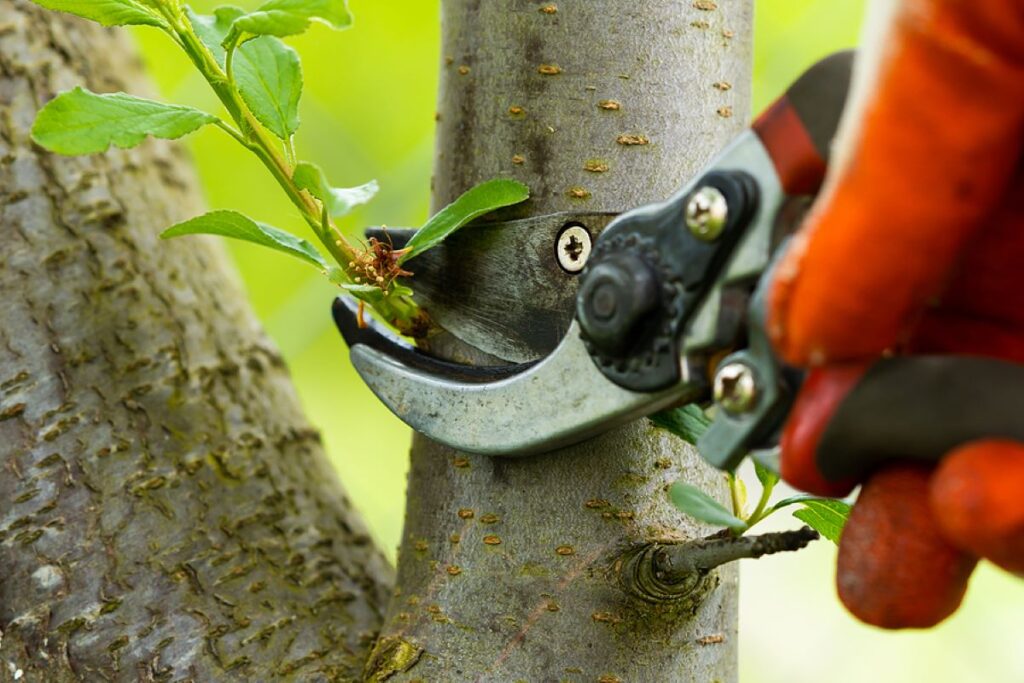
When is the best general time for tree pruning in Hornsby?
For most established, non-flowering trees, late winter to early spring is often the best window. Trees are typically less active, structure is easier to see, and cuts tend to trigger strong spring regrowth.
This timing can also reduce the chance of disease spread because many pathogens and insects are less active in cooler conditions.
Why is winter pruning often recommended for structure and safety?
Tree Pruning Hornsby specialists often recommend winter pruning because it allows them to focus on the framework of the canopy without the distraction of leaves. It becomes much easier to identify deadwood, crossing limbs, and weak branch unions.
As trees are typically dormant or slow-growing during this period, they can direct energy toward sealing pruning cuts when growth resumes, supporting cleaner wound closure and improved structure.
When should they prune in summer instead?
Summer pruning is useful when they need to slow vigorous growth, reduce canopy weight, or improve light and airflow after spring flush. It can also help manage limbs that are interfering with roofs, powerlines, or accessways before storm season.
They should keep summer cuts lighter, since heavy pruning in heat can stress trees and increase sunburn risk on newly exposed limbs.
Is autumn a good time to prune trees in Hornsby?
Autumn is often the least ideal time for major pruning. Many trees are reallocating energy to roots and preparing for seasonal changes, and fresh cuts can remain exposed longer.
If pruning must happen in autumn, they should limit it to urgent safety issues, minor clearance, and removing obviously dead or broken branches.
When should flowering trees be pruned for the best blooms?
Flowering trees are best pruned based on when they set buds. If they flower in spring, pruning is usually best right after flowering, so they do not remove next season’s buds.
If they flower in summer, late winter pruning is often suitable. When in doubt, they should confirm the species, since timing mistakes commonly reduce flowering for a full year.
How does timing change for common Hornsby trees like eucalypts and natives?
Many native species, including some eucalypts, respond best to conservative pruning focused on safety, clearance, and removing defects. They often dislike heavy canopy reduction and can respond with dense epicormic growth.
Timing is still commonly late winter to early spring, but the bigger rule is restraint: fewer, cleaner cuts usually outperform aggressive reshaping.
What pruning should they do year-round, regardless of season?
Some work is appropriate in any month because it is about risk, not growth cycles. Dead branches, storm-damaged limbs, hanging hazards, and branches rubbing together can be removed when noticed.
They should still avoid over-pruning during extreme heatwaves, and any work near powerlines should be handled by appropriately qualified professionals.
How do storms and heat affect pruning schedules in Hornsby?
After storms, prompt removal of torn or cracked limbs reduces further splitting and helps prevent decay. Clean cuts back to a suitable union can stabilise damage and improve recovery.
During hot, dry spells, major pruning can add stress. If they must prune in summer heat, they should keep it minimal, avoid stripping shade from the trunk, and prioritise tree hydration where practical.
What are the signs they are pruning at the wrong time?
Common warning signs include excessive sap flow, slow wound closure, heavy leaf drop, or a burst of weak shoots after cutting. Reduced flowering the following season is also a strong clue that timing was off for that species.
If they see repeated dieback near pruning cuts, it can indicate stress, poor technique, or underlying disease that needs assessment.
How much can they prune without harming the tree?
A common guideline is to avoid removing more than about 10–20% of the canopy in a single season for most mature trees. Over-pruning can trigger stress responses, sunscald, and unstable regrowth.
They should focus on targeted cuts that solve a clear problem: remove deadwood, reduce end-weight on long limbs, and improve branch spacing rather than “topping” or stripping the interior.
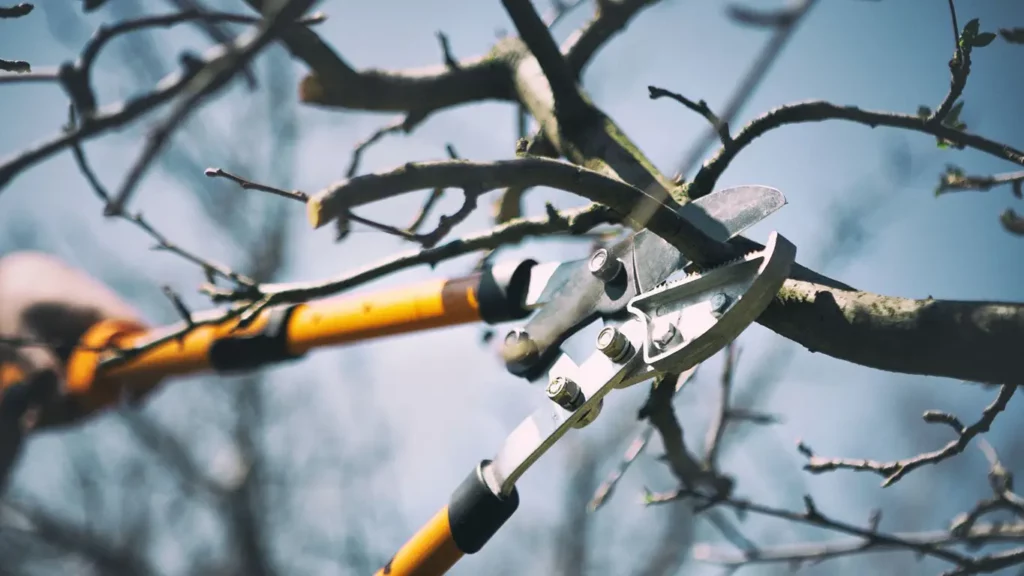
What is the simplest seasonal pruning plan for healthier trees?
A practical approach is to schedule a main structural prune in late winter to early spring, then do a light summer touch-up only if needed for clearance or weight reduction. Autumn can be reserved for monitoring and minor hazard removal.
With consistent, moderate pruning, they usually get a stronger structure, fewer storm failures, and a canopy that looks natural rather than forced.
When should they call an arborist instead of pruning themselves?
They should involve a qualified arborist when limbs are large, high, close to structures, or near powerlines, and when a tree shows cracks, leaning, fungus, or significant dieback. Good timing cannot compensate for unsafe access or poor cuts.
An arborist can also confirm species-specific timing and choose pruning methods that support long-term health, not just short-term appearance.
More to Read : How Professional Hedge Trimming Services Improve Garden Health
FAQs (Frequently Asked Questions)
When is the best general time for tree pruning in Hornsby?
For most established, non-flowering trees in Hornsby, late winter to early spring is the optimal time for pruning. During this period, trees are less active, making it easier to see their structure and encouraging strong spring regrowth. Additionally, cooler conditions reduce the activity of many pathogens and insects, lowering the risk of disease spread.
Why is winter pruning often recommended for improving tree structure and safety?
Winter pruning in Hornsby helps focus on the canopy’s framework as leaves are absent, making it easier to identify deadwood, crossing limbs, and weak branch unions. Since trees are dormant or slow-growing during winter, they allocate energy efficiently to seal cuts as growth resumes, resulting in cleaner wound closure and better overall form.
When should summer pruning be considered in Hornsby?
Summer pruning is useful in Hornsby when there’s a need to slow vigorous growth, reduce canopy weight, or improve light and airflow after the spring flush. It also helps manage limbs interfering with roofs, powerlines, or access ways ahead of storm season. However, cuts should be lighter during summer to avoid stressing trees and increasing sunburn risk on newly exposed limbs.
How should flowering trees in Hornsby be pruned to ensure the best blooms?
Flowering trees should be pruned based on their blooming cycle. For trees that flower in spring, pruning right after flowering preserves next season’s buds. For summer-flowering species, late winter pruning is usually suitable. Confirming the specific species is essential since incorrect timing can reduce flowering for an entire year.
What are the key considerations for pruning native trees like eucalypts in Hornsby?
Many native species in Hornsby, including some eucalypts, respond best to conservative pruning focused on safety, clearance, and removing defects rather than heavy canopy reduction. They often produce dense epicormic growth if over-pruned. The preferred timing remains late winter to early spring, emphasizing restraint with fewer and cleaner cuts for healthier outcomes.
When should homeowners call a qualified arborist instead of pruning themselves?
Homeowners should engage a qualified arborist when dealing with large or high limbs close to structures or powerlines, or if a tree shows signs of cracks, leaning, fungus, or significant dieback. Arborists ensure safe access and expert cuts while confirming species-specific timing and applying methods that promote long-term tree health beyond just appearance.