
The “flower train” is not a literal train full of blooms. It is the idea that flowers can be part of the commute, not a special trip saved for birthdays and big moments. Over time, that idea has become a familiar North Sydney habit, passed along by observation and routine rather than advertising.
What do locals mean when they say “the flower train”?
The flower train North Sydney usually refers to the station-side flower stop that turns an ordinary commute into a small, pleasant detour. It is a shorthand for a moment of colour and calm in a place built for speed.
For many, it feels like a local tradition. They might not know when it started, but they know the feeling: arriving at the platform with coffee in hand, leaving with flowers in theirs.
Why does buying flowers on the commute feel so different?
It feels different because it fits into a moment that is already reserved, a pause before the day fully begins. They are not driving around looking for parking or navigating a crowded shopping centre. They are simply using time they already have.
There is also something about flowers in a work bag that changes the tone of the morning. They become a reminder that not everything on the schedule is urgent, and not every purchase needs a practical reason.
How did the station flower ritual become part of North Sydney’s identity?
It became part of local identity through repetition. People saw others doing it, then tried it once, then again, and eventually it became theirs.
North Sydney is full of early starts and long hours. Small rituals stick because they are achievable. A bunch of flowers takes seconds to choose, but it can last days at home, which makes the gesture feel larger than the effort.
Who typically buys from the flower train?
It is rarely one “type” of person. They might be office workers grabbing something for a partner, renters wanting a softer living room, or someone visiting friends after work.
Some buy for celebrations, but many buy for no reason at all. That is part of the charm. The moment is casual, and the flowers do not need to justify themselves.
What makes the flowers feel especially “local”?
They feel local because they match the rhythm of the area. The flowers are there when people are there, at the time of day when routines are most consistent.
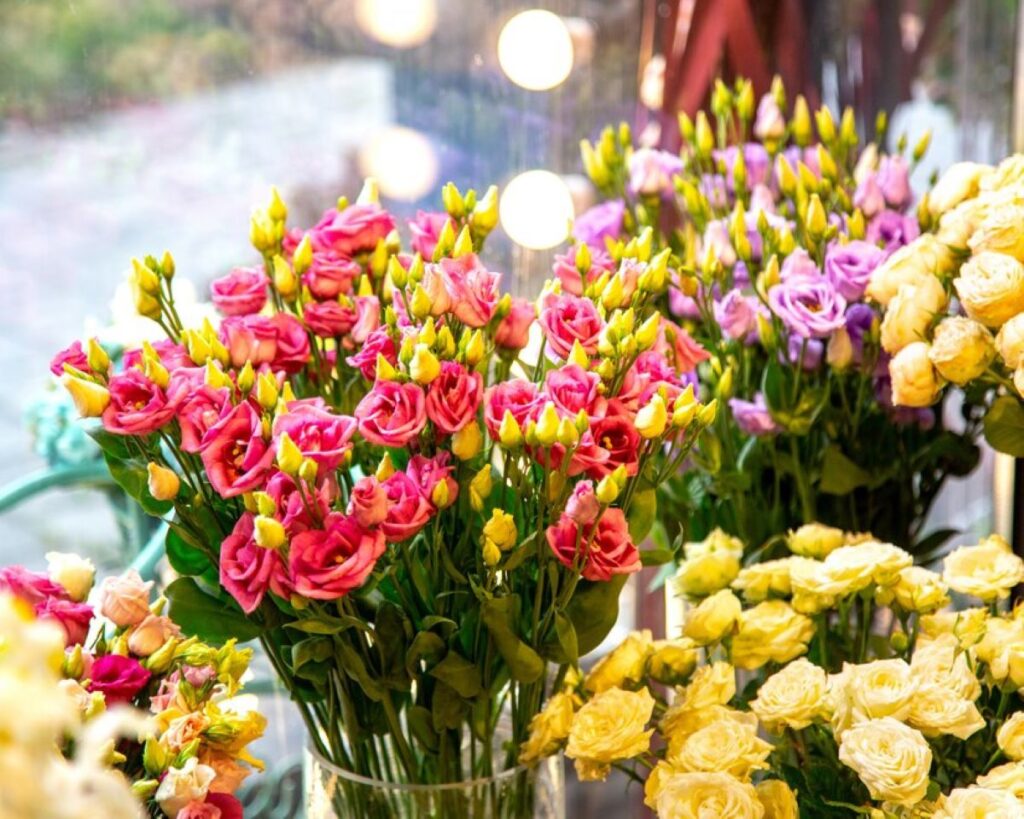
Locals often recognise the seasonal shifts without trying. One week it is bright, airy bunches that suit warm days. Another week it is deeper colours as the weather cools. The station becomes a kind of informal calendar.
Why do commuters trust a quick station-side purchase?
They trust it because they can see what they are buying. There is no guessing about size, freshness, or colour. If a bunch looks lively, they take it. If it does not, they leave it.
There is also trust built through familiarity. They may not speak every time, but they recognise faces and patterns. That recognition creates a quiet confidence that the stop will be worth it.
How does the flower train change the feel of a home?
It changes the feel of a home quickly, even if the home is small. A bunch on the kitchen counter can make a weeknight dinner feel more like a reset than a routine.
For people living in apartments, flowers can soften hard edges and bright lighting. For those sharing spaces, they can act like a neutral, gentle gesture that makes the place feel cared for.
Other Resources : Ten native plants with names you won’t forget
What is the emotional pull behind a bunch bought before 9 a.m.?
The pull is that it feels like a decision made for the self, not for everyone else. They are choosing something because it is beautiful, not because it is required.
There is also a quiet satisfaction in carrying flowers through the station crowd. It signals intention. It says their day contains more than meetings, emails, and deadlines.
How do locals make the most of a commuter bouquet?
They keep it simple. A quick trim of the stems, clean water, and a vase that does not fight the shape of the bunch often goes further than complicated flower food routines.
Some separate a large bunch into two smaller vases, one for the kitchen and one for a bedside table. Others dry a few stems as a keepsake. The goal is not perfection, just enjoyment that lasts beyond the commute.
What should newcomers notice if they want to join the ritual?
They should notice what catches their eye first. The best commuter bouquet is usually the one that feels obvious, not the one that feels “correct.”
They can also start small. A single bunch once a fortnight is enough to make it a habit. Over time, it becomes a reliable way to add warmth to theirs, whether they are heading home, visiting someone, or just wanting the week to look a little brighter.
Why has the flower train stayed loved, even as shopping has moved online?
It has stayed loved because it offers something online shopping cannot: a real, immediate moment in the middle of a real day. There is no scrolling, no delivery window, no packaging to deal with later.
It is also spontaneous in the best way. They can decide in five seconds to make the day nicer. That kind of ease is rare, and North Sydney commuters know it when they see it. Click here to learn more about
What is the real story behind North Sydney’s flower train?
The real story is not about a single person or a single start date. It is about a habit that proves small things still matter in a fast place.
North Sydney locals love the flower train because it turns a commute into a choice, and a choice into a mood. They step onto the train with flowers in theirs and feel, even briefly, like the day belongs to them too.
FAQs (Frequently Asked Questions)
What is the ‘flower train’ in North Sydney’s weekday commute?
The ‘flower train’ refers to a local ritual where commuters stop by a flower seller near North Sydney station during their morning commute to pick up a bunch of flowers. It’s not a literal train full of flowers but an idea that integrates blooms into daily travel, turning an ordinary commute into a moment of color and calm.
Why do locals find buying flowers during their commute so special?
Buying flowers on the commute feels different because it fits seamlessly into an already reserved moment—a pause before the day begins. It requires no extra effort like parking or shopping, and carrying flowers changes the morning’s tone, reminding people that not everything urgent and not every purchase needs a practical reason.
How did the flower-selling ritual become part of North Sydney’s local identity?
The ritual became part of North Sydney’s identity through repetition and observation. Locals saw others buying flowers at the station, tried it themselves, and incorporated it into their routine. In a community known for early starts and long hours, this small, achievable gesture offers lasting joy beyond its brief selection time.
Who typically participates in the flower train tradition?
A diverse range of people take part—from office workers buying for partners to renters wanting to brighten their homes or visitors bringing gifts. Many buy flowers without any special occasion, embracing the casual charm of the ritual where flowers don’t need justification.
What makes the station-side flower purchase trusted and appealing to commuters?
Commuters trust these quick purchases because they can see the freshness, size, and color firsthand—there’s no guessing involved. Familiarity with sellers and recognizing patterns build quiet confidence that each stop will offer lively blooms worth taking home.
How does incorporating flowers from the flower train impact daily life and home atmosphere?
Bringing home flowers from the flower train quickly transforms living spaces by adding warmth and softness, especially in apartments or shared homes. Flowers act as gentle gestures that make routines feel refreshed and cared for, turning ordinary moments like weeknight dinners into small celebrations.