
How does regular hedge trimming reduce disease risk?
Regular trimming lowers disease pressure by improving airflow and light penetration through the hedge. Better circulation helps foliage dry faster after rain or irrigation, which reduces the conditions that encourage fungal problems.
A reliable hedge trimming service near me will remove dead, damaged, and crossing branches that can harbor harmful pathogens. Proper thinning and shaping help prevent dense, shaded areas where mildew and blight commonly take hold.
Why does the quality of the cut matter for plant recovery?
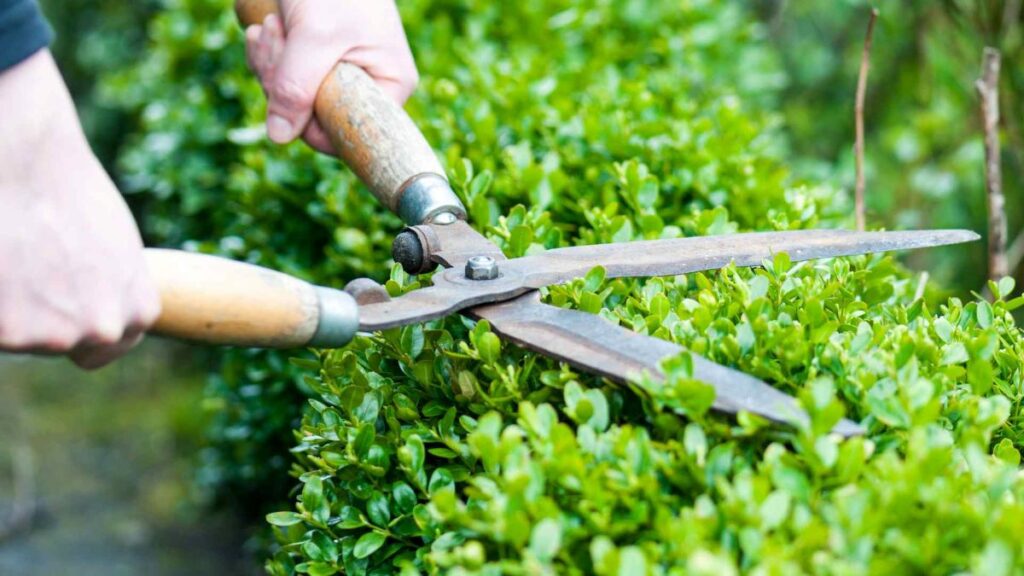
Cut quality directly affects how quickly a hedge seals wounds and produces healthy regrowth. Clean cuts made with sharp tools damage less tissue, reducing stress and lowering the chance of infection at the cut site.
Professional crews maintain blades and choose the right tool for the branch size. That matters because tearing or crushing stems can slow recovery and create entry points for disease.
How do professionals prevent overgrowth from weakening the hedge?
Overgrown hedges often become top-heavy, shaded at the base, and sparse inside. Professionals shape hedges to keep light reaching lower branches, which helps maintain dense growth from top to bottom.
They also manage the hedge’s size in small, planned steps rather than drastic reductions. Gradual control helps plants keep enough leaf area to photosynthesize, fueling stronger roots and more consistent regrowth.
When does timing make trimming healthier rather than harmful?
Timing matters because hedges respond differently depending on season, species, and weather. Professionals schedule trims to support the plant’s natural growth cycles, avoiding periods when heavy cutting can trigger stress or poor recovery.
They also account for flowering hedges so blooms are not removed unnecessarily. By trimming at the right time, they protect both plant vigor and the garden’s seasonal display.
How can trimming improve soil and root health indirectly?
Healthy hedge structure reduces competition and stress across the garden. When hedges are managed correctly, they take up fewer excess resources and cast more controlled shade, which can stabilize moisture levels nearby.
Professionals often spot signs of root-zone issues while working, such as dieback, chlorosis, or poor vigor. Early detection helps owners address compaction, drainage, or nutrient problems before they spread.
How does professional trimming help control pests?
Dense, unmanaged hedges can become sheltered habitats for pests. Proper trimming opens the canopy and removes infested sections, making the environment less favorable for insects that prefer still, protected spaces.
Professionals are also more likely to notice early pest indicators like distorted new growth, sticky residue, or webbing. Catching problems early reduces the need for harsher interventions later.
What role does shaping play in reducing storm and wind damage?
Correct shaping strengthens a hedge by balancing its structure. Professionals typically create a slightly tapered profile so the base is wider than the top, helping lower branches receive light and maintain strength.
This shape also improves wind resistance and reduces the chance of snow or heavy rain weighing down the outer growth. Less breakage means fewer open wounds and a lower risk of disease after storms. You may like to visit https://soe.dcceew.gov.au/extreme-events/environment/cyclones-and-storms to get more about cyclones and storms.
How do professionals handle safe reductions on neglected hedges?
Neglected hedges often require careful renovation rather than a single hard cut. Professionals assess species tolerance, growth points, and recovery potential before reducing height or width.
They may stage the work over multiple visits so the hedge can rebuild foliage without exhausting stored energy. This approach helps restore density while protecting long-term health.
Why does garden health improve when hedges look “finished”?
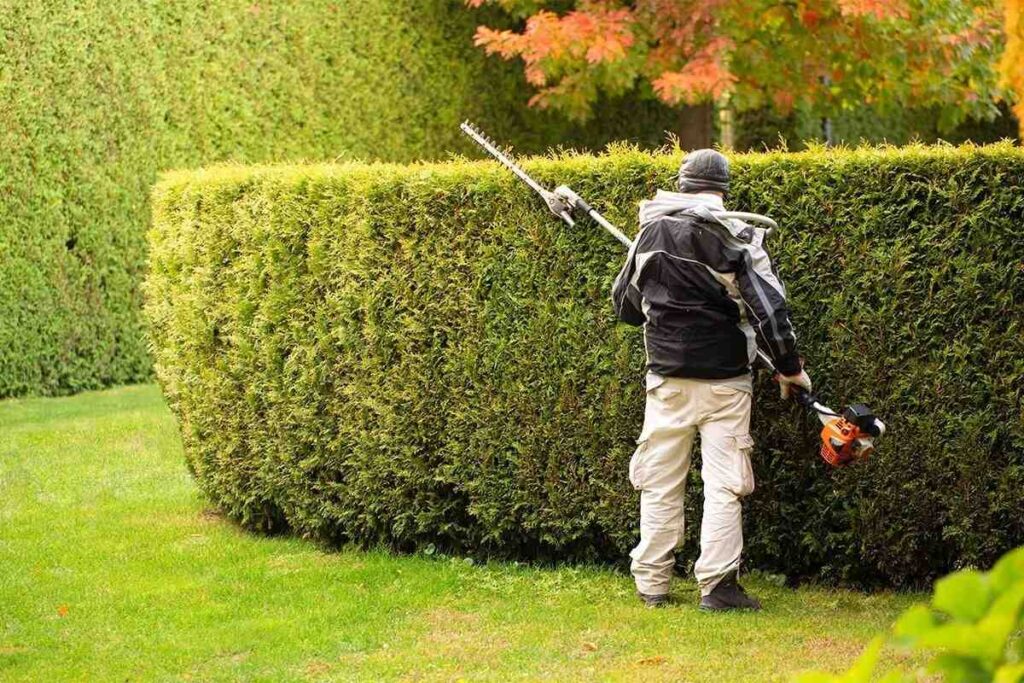
A hedge that looks finished is usually one that was cut with consistency and plant health in mind. Uniform lines often reflect even light exposure, balanced growth, and fewer weak sections prone to dieback.
Professional results also reduce ongoing stress. When a hedge is kept within a stable size range, it does not swing between overgrowth and aggressive cutting, which supports steadier, healthier growth year after year.
Related : Tree Pruning Hornsby: Best Times of Year for Healthier Trees
FAQs (Frequently Asked Questions)
How does regular hedge trimming contribute to reducing disease risk in gardens?
Regular hedge trimming enhances airflow and light penetration through the hedge, allowing foliage to dry faster after rain or irrigation. This reduces the moist conditions that encourage fungal diseases. Additionally, professionals remove dead, damaged, and crossing growth that can harbor pathogens, limiting dense shaded pockets where mildew and blight often develop.
Why is the quality of cuts important for healthy hedge recovery?
Clean cuts made with sharp tools minimize tissue damage, reducing stress on the plant and lowering infection risks at the cut site. Professional trimmers maintain their blades and select appropriate tools for different branch sizes, preventing tearing or crushing stems which can slow recovery and create entry points for disease.
In what ways do professionals prevent overgrowth from weakening hedges?
Professionals shape hedges to allow light to reach lower branches, maintaining dense growth throughout. They manage size through gradual, planned reductions rather than drastic cuts, ensuring enough leaf area remains for photosynthesis. This supports stronger roots and consistent regrowth, preventing top-heavy or sparse hedges prone to weakness.
How does timing influence the healthiness of hedge trimming?
Trimming scheduled according to the plant’s natural growth cycles avoids periods when heavy cutting may cause stress or poor recovery. Professionals consider species-specific needs and flowering times to protect blooms and maintain plant vigor. Proper timing preserves both hedge health and the garden’s seasonal display.
Can hedge trimming indirectly improve soil and root health? If so, how?
Yes, well-managed hedges reduce competition for resources and cast controlled shade that stabilizes moisture levels nearby. During trimming, professionals can identify early signs of root-zone issues like dieback or chlorosis, enabling timely interventions for compaction, drainage, or nutrient problems before they worsen.
How does professional hedge trimming aid in pest control within gardens?
Proper trimming opens up dense canopies and removes infested sections, creating an environment less favorable for pests that thrive in sheltered spaces. Professionals also detect early pest indicators such as distorted growth or webbing during maintenance visits, allowing for prompt treatment that reduces reliance on harsh interventions later.