
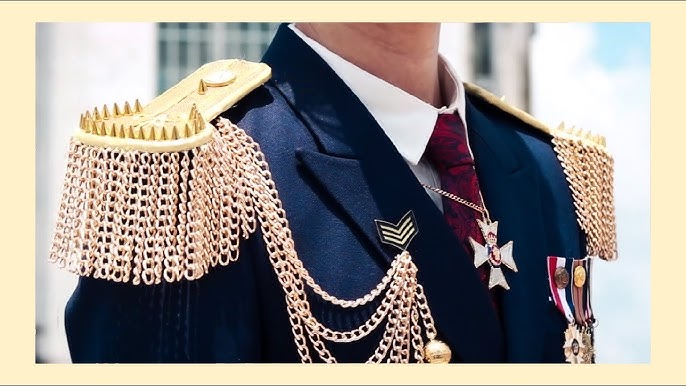
Epaulettes have long been a symbol of rank, authority, and tradition within various uniformed organisations. From military uniforms to law enforcement attire, these decorative yet functional accessories continue to play a defining role. Here, we explore the evolution, symbolism, and modern-day adaptations of epaulettes. We also delve into market trends, technological advancements and how even historical studies underline their importance.
Historical Significance of Epaulettes
Origins and Early Uses
The roots of epaulettes can be traced back to the 17th and 18th centuries, when they first adorned military uniforms as a mark of nobility and prestige. Early adopters of epaulette design included European nobility and military elite who needed to signal rank and social status at a glance.
Over time, this accessory evolved from an ornamental detail to a functional necessity. The design elements such as clasps, fringes, and metallic threads were carefully chosen to reflect the wearer’s position. This ancient symbolism continues to resonate even in today’s modern uniforms.
Epaulettes were once the exclusive domain of the aristocracy but gradually became a staple in military and law enforcement wardrobes worldwide. Their prominence was not merely decorative; it was practical, helping to identify leadership during the chaos of battle.
Symbolism and Military Hierarchy
These ornamental pieces are more than just mere embellishments. In military hierarchies, epaulettes serve as a visual shorthand for rank and authority. The design and intricacies of the epaulette often indicate the level of command and are used to instil discipline and order within ranks.
Many military organisations attach deep meaning to the placement and number of epaulettes. Such details may directly correspond to the individual’s seniority and command responsibilities. The detailed craftsmanship in epaulettes conveys pride and the rich heritage of the service.
One expert recently noted, “High-quality epaulettes play a vital role in military uniforms, symbolising rank and authority, enhancing aesthetics, ensuring durability, and fostering a sense of pride among service members.” This sentiment captures why even in the digital age, many uniformed institutions continue to invest in traditional design elements.
Modern-Day Applications in Military and Law Enforcement
The Military Perspective
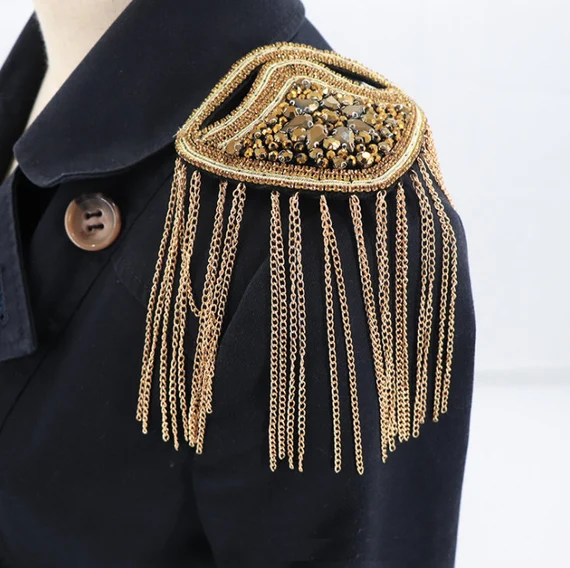
Modern military outfits are a blend of tradition and technology. Epaulettes remain integral, often being very carefully integrated into modern uniform designs. They continue to serve their symbolic role while also incorporating technological advancements, such as digital embroidery techniques that have reduced manufacturing lead times by up to 30% since 2020.
Uniforms equipped with epaulettes provide an immediate visual cue, ensuring both cohesion and distinctiveness for military formations. For many military personnel, these adornments are also a source of personal pride, representing years of disciplined service and sacrifice.
A noteworthy statistic from recent market forecasts highlights that the global epaulettes market is predicted to reach $1.2 billion by 2027, with the military sector accounting for a significant portion-nearly 68% of overall demand. This growth illustrates the continued investment in quality and heritage by military organisations.
Law Enforcement and Public Safety
Epaulettes are equally vital in law enforcement uniforms. They serve a dual purpose: practical identification on the field and symbolic representation of rank. Studies conducted by the Federal Law Enforcement Training Centres reveal that clear identification markers, such as job titles, aid in reducing miscommunication and confusion among officers. For example, officers labelled as “Federal Agent” were less likely to be mistaken for uniformed personnel, compared to those tagged “Police.”
This distinction is crucial, especially in high-stakes environments where clarity can be a matter of safety. Beyond the practical side, the traditional military-inspired design fosters a sense of pride and belonging among law enforcement members, reinforcing hierarchical structures within their ranks.
Modern law enforcement uniforms incorporate both utilitarian design and traditional elements like epaulettes, ensuring that the visual cues remain clear while adapting to evolving operational environments.
Potential Changes and Contemporary Debates
In recent times, uniform aesthetics have come under scrutiny, leading some institutions to reconsider traditional elements. A notable debate has centred on whether epaulettes should continue to be featured in certain uniforms. The Salvation Army, for instance, is exploring the removal of epaulettes in favour of a more modern and accessible image.
Such changes are driven by a desire to stay contemporary while appealing to newer generations. Uniform redesign initiatives are often a balancing act: maintaining historical significance while introducing streamlined, modern designs that reflect current organisational values.
This evolution is well documented in discussions surrounding military and civilian uniform adaptations in recent news and industry reports. The core challenge remains maintaining organisational identity while embracing necessary reforms.
Technological Advancements in Epaulette Production
Digital Embroidery and Manufacturing Improvements
The integration of digital embroidery in the production of epaulettes has revolutionised both design and delivery times. These technological improvements have allowed manufacturers to produce highly detailed and durable epaulettes at a fraction of the traditional cost and lead time.
An industry report highlights that digital embroidery technology has reduced lead times by up to 30% since 2020. This development is particularly significant for uniformed organisations that demand rapid yet high-quality production to meet operational needs.
Not only does this technology support mass production, but it also enhances customisation. Uniforms can now feature intricate designs, impeccable stitching, and precision-bound rank markers that are both visually appealing and enduring.
Innovations in Material Science
Advancements in material science have also played a pivotal role in the evolution of epaulettes. Modern epaulettes use materials that offer increased durability, resistance to wear, and enhanced aesthetic qualities. This innovation is particularly important for military and law enforcement outfits where reliability is paramount.
Materials used in epaulettes are chosen not just for their visual appeal but also for their capacity to endure harsh field conditions. These innovations ensure that even in frigid temperatures or rain-soaked climates, the epaulettes remain intact, marking the wearers’ rank and authority consistently.
Beyond longevity, these advanced materials contribute a sleek look to uniforms, supporting an organisation’s image as both modern and dependable. The marriage of tradition and technology continues to drive the market forward.
Future Trends in Epaulette Technology
As technology continues to advance, future innovations are expected to further transform the landscape of epaulette design. Emerging trends may include smart textiles that incorporate microchips for enhanced identification and security purposes.
One could even envision future designs where the epaulettes might provide biometric data or digital updates on an officer’s rank and credentials. This progressive approach could redefine how uniformed organisations manage and display authority.
With the global epaulettes market projected to reach $1.2 billion by 2027, the scope for innovation remains vast. Technological advancements combined with evolving design principles promise to keep emerging trends at the forefront of uniform manufacturing.
Practical Considerations for Uniform Design
Enhancing Visibility and Recognition
Uniform design is a multi-faceted process where every component plays a role in recognition and functionality. Epaulettes significantly enhance a uniform’s visibility, especially during operational circumstances that demand quick identification of rank.
This level of clarity is not only beneficial to team members but also aids in building public trust. Citizens can more easily recognise the chain of command during routine patrols or in emergencies.
The placement, size, and design of an epaulette are meticulously planned to ensure that the wearer is easily identifiable. High-quality designs lend themselves to clear communication, which is of utmost importance in both military and law enforcement settings.
Practicality Meets Aesthetics
A uniform is both a functional piece of equipment and a statement of identity. Epaulettes are the perfect example of practical design meeting aesthetics. They are crafted to ensure durability while also offering a visually appealing accent to an otherwise utilitarian outfit.
The inherent blend of beauty and function is what has maintained the popularity of epaulettes over centuries. Their sleek and modern adaptations ensure that they do not appear outdated even as styles evolve.
In today’s uniform design discussions, there is a clear push to retain those decorative yet meaningful accents without compromising the operational needs and safety protocols that uniformed organisations adhere to.
Cost Considerations and Market Trends
With a market projected to hit $1.2 billion by 2027, the cost implications of producing high-quality epaulettes have been thoroughly examined. A significant portion of this expenditure comes from the military and law enforcement sectors, which account for roughly 68% of global demand.
Budgetary decisions regarding uniform production balance between cost and quality. Organisations are increasingly investing in premium materials and advanced production techniques to ensure longevity and performance. This investment reflects a broader trend towards long-term durability rather than short-term fixes.
These market trends are not only evident in financial projections but also in the growing demand for customisable and technologically enhanced uniform accessories, ensuring that every piece remains fit for purpose.
The Role of Epaulettes in Building Identity and Cohesion
Creating a Sense of Belonging
Uniforms are a cornerstone of identity for many service members, and epaulettes play an integral role in this. They act as visual tokens of one’s commitment, experience, and position within the organisation, helping to build a sense of belonging among team members.
The emotional and psychological impact of wearing a uniform that visibly reflects rank and achievement cannot be understated. The epaulette is a reminder of the wearer’s achievements and the responsibility they carry, making it more than a mere decoration.
This deep-rooted connection often enhances morale, forging a bond between the individual and the institution. It reminds personnel that they are part of a larger mission, reinforcing the idea of unity and collective effort.
Establishing Authority and Respect
One of the primary functions of an epaulette is to communicate authority. In both military and law enforcement environments, respect for hierarchy is paramount. A well-design epaulette is a concise way of demonstrating that command and responsibility are aspects of the uniform itself.
The visual prominence of epaulettes helps deter ambiguity in potentially chaotic situations where the chain of command must be immediately understood. This instant recognition is especially critical in crisis scenarios where every second counts.
Uniforms with clearly defined rankings build trust not only within internal ranks but also among civilians who recognise the value of tradition combined with modern functionality. It is a confirmed fact that well-maintained epaulettes are often synonymous with respect and authority.
The Psychological Impact on Service Members
Wearing an epaulette is more than just a visual statement-it nurtures pride and responsibility. Service members feel a deep sense of honour when adorned with an accessory that symbolises years of training, sacrifice, and commitment. This pride translates into a motivated and disciplined workforce.
The psychological effects extend beyond individual morale. When seen on colleagues, these emblematic pieces forge stronger bonds and an unspoken commitment to shared values. The impact of a meticulously produced epaulette can be profound, touching upon the core of a service member’s identity.
Uniformed organisations understand that every detail, including the epaulette, contributes to overall cohesion and readiness. It’s an enduring element that, when combined with modern innovations, continues to inspire excellence on and off the field.
Case Studies and Real-World Applications
Military Uniforms in Action
Across the globe, military units have maintained distinct uniform styles that incorporate epaulettes. These pieces are not selected arbitrarily but are chosen for their functionality and symbolic weight. In many cases, the design and arrangement of epaulettes on a uniform are integral to the mission’s success.
A closer look into historical military campaigns reveals that uniform visual cues, including epaulettes, have helped in orchestrating large-scale manoeuvres. The ability to discern rank from afar simplifies command decisions and can be a life-saving detail under combat conditions.
Modern military strategies continue to rely on these visual signals, integrating them seamlessly with advanced tactical gear. The role of epaulettes, therefore, remains a consistent and valued fixture on the battlefield, ensuring that tradition meets the rigours of current military operations.
Law Enforcement and Community Engagement
Community policing in modern law enforcement extends beyond operational duties. Off-duty and community engagement roles see officers in civilian attire, where uniform elements such as epaulettes offer subtle hints at their authority and experience.
For example, studies have indicated that clear visual cues in uniforms can enhance public perception and trust. A collective understanding of rank hierarchy contributes to smoother interactions between officers and the public, reducing risks of misidentification during critical incidents.
This subtle yet effective form of communication is crucial in maintaining order and ensuring both officer and public safety. Whether during a community event or in emergency situations, the presence and design of epaulettes affirm the established chain of command and organisational integrity.
Reflections on Uniform Changes and Adaptations
The recent contemplation by institutions like The Salvation Army to remove epaulettes from their uniforms highlights the evolving nature of uniform design. Such decisions are often driven by a need to modernise and align with contemporary societal expectations.
While this might seem like a departure from tradition, it also presents opportunities to reimagine the uniform. For many organisations, the focus is on balancing heritage with modernity. The debate is not about discarding tradition but ensuring that it remains relevant and functional in today’s world.
The discussions surrounding these adaptations reveal a broader trend in which organisations are re-evaluating every aspect of their uniform design. The results promise a dynamic future where high-quality design continues, even if the aesthetic elements such as epaulettes undergo thoughtful evolution.
Challenges and Considerations for the Future
Balancing Tradition with Modern Needs
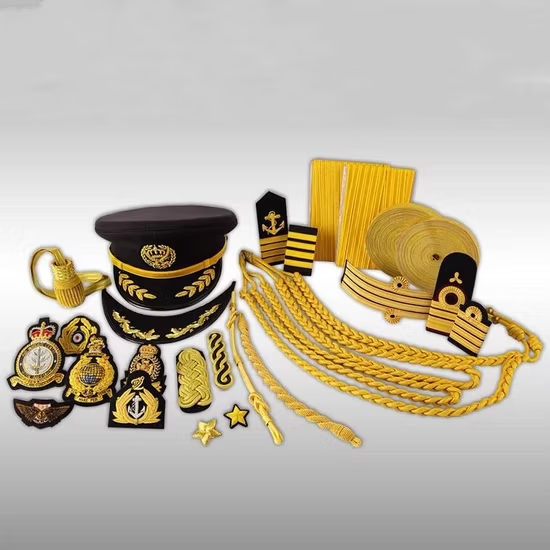
Uniformed organisations face the challenge of preserving tradition while embracing new design philosophies. The debate over retaining epaulettes exemplifies the delicate balancing act between historical reverence and operational efficiency.
Although the emotional and symbolic significance of epaulettes is undeniable, practical considerations such as modern manufacturing demands and the evolving nature of uniform aesthetics necessitate periodic reassessment. The choices made reflect an organisation’s commitment to both its heritage and future direction.
This tension is a recurring theme in discussions about uniform design. However, the outcome is clear: a thoughtful blend of old and new ensures that the uniform remains a potent symbol of identity while adapting to modern roles and responsibilities.
Economic and Supply Considerations
The growing global market for epaulettes brings with it economic implications that uniformed organisations must consider. With industry reports forecasting substantial growth and a shift towards advanced production techniques, cost considerations are more important than ever.
Uniform budget allocations now include investments in premium materials and digital embroidery machines to keep pace with demand. Military and law enforcement agencies, which constitute nearly 68% of overall demand, are ensuring their expenditure aligns with long-term strategic goals.
This economic factor is critical, as organisations must balance the cost of updating or maintaining traditional features against the need for modern, durable, and efficient designs that meet current operational requirements.
Responding to Evolving Operational Needs
The operational landscape for both military and law enforcement bodies is continuously evolving. Today’s challenges require uniforms that are not only stylish but also highly functional. Epaulettes, despite being a traditional element, are adapting to these new demands through innovative design and technology.
Wearable technology, resilient materials and rapid production techniques are all converging to make traditional uniform features more relevant. These advances ensure that even time-honoured design elements continue to serve the practical needs of those in uniform, whether on the front line or engaging with the community.
Ultimately, the ongoing evolution in uniform design, epitomised by the modernisation of epaulettes, highlights an industry committed to meeting the practical and psychological needs of its personnel. The result is an equipment lineage that is both time-tested and forward-looking.
Conclusion: The Enduring Legacy and Future of Epaulettes
Summing Up the Role and Impact
Epaulettes have matured from ornamental indicators of social status to indispensable elements of modern military and law enforcement uniforms. Their ability to convey authority, foster unity, and provide immediate identification makes them a lasting feature of uniform design.
The evolving technological landscape has ensured that epaulettes are not relics of the past but continue to adapt, enhancing both functionality and aesthetics. As digital embroidery and material innovations progress, the future promises even greater customisation and durability.
The market data, rigorous research findings and expert opinions all underscore that epaulettes remain integral to uniform integrity. Whether cracked by tradition or forged by the demands of modern service, their symbolism is deeply embedded in the identity of uniformed organisations.
Looking Ahead: Tradition Meets Innovation
Uniformed organisations are at a crucial juncture. While the strong ties to heritage foster a sense of pride, the shift towards innovation and modernisation means that these institutions continue to evolve. Epaulettes, in this regard, are a perfect example of how time-honoured symbols can seamlessly integrate with modern requirements.
Learn about What Are Shoulder Epaulettes and What Do They Represent?